spring 2026: a season in review
Sant Carles de la Ràpita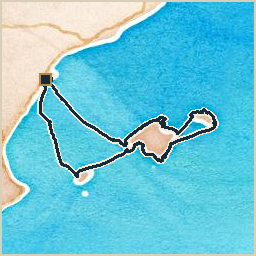
S/V Tinarasia came out of the water at Sant Carles Marina last summer with a long refit list and went back in this spring a genuinely different boat. Seven weeks and 655.6 nautical miles later, she’s tied up at the Club Nàutic de la Ràpita, less than a mile from where the season began, having covered the Spanish mainland coast, most of Mallorca, all the way around Menorca, a slice of Ibiza, and a genuinely remote volcanic archipelago most sailors have never heard of. Along the way: a thunderstorm nobody forecast, two small kids growing visibly over the course of a season, a pod of twenty dolphins at dawn, and a first proper singlehanded passage for the skipper.
A winter well spent
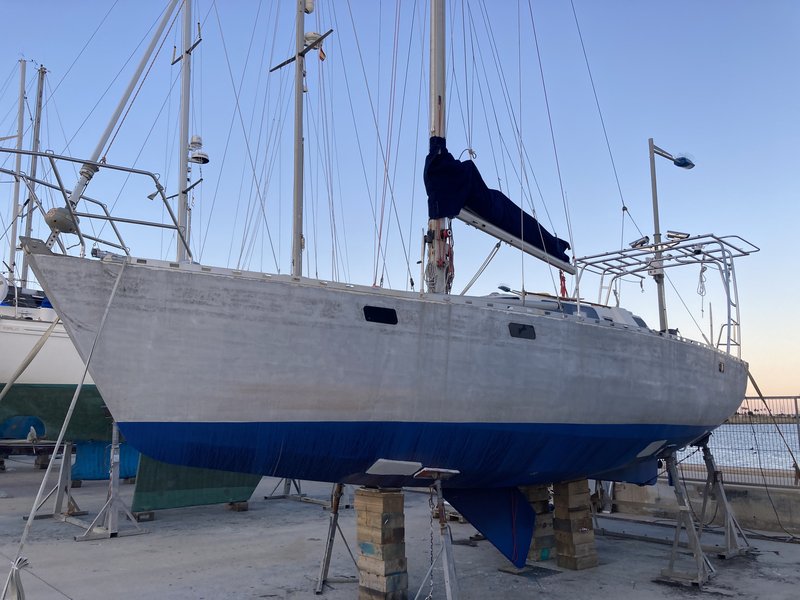
The refit that kept Tinarasia ashore over the winter wasn’t cosmetic. A new solar arch went up at the stern, three panels of 240 watts each for 720 watts total, feeding a 48-volt house battery bank built to carry the boat’s growing electrical appetite. The galley finished its transition to fully electric: an induction cooktop and a combined microwave/grill/oven took over from what remained of the gas system. Underwater, the hull got a proper sandblast down to bare aluminum and a complete rebuild of the anti-corrosion and antifouling system: five coats of International Interprotect primer, three coats of Cruiser 250 antifouling on top. A mast repair came in right at the end, the last item ticked off before the yard season closed.
None of it was for show. Tinarasia’s propulsion is fully electric (a Motenergy ME-1115, rated at 10 kW, driving through a reduction gearbox, with no diesel anywhere on the boat), and it lives or dies on how well the solar and battery side of the equation is sorted. Getting that right over the winter is the reason this season could rack up 529.0 nautical miles under sail alone and still have the motor there, quietly, whenever conditions called for it: 126.6 nautical miles’ worth, between pure motoring and motor-assisted sailing, all of it drawn from sunlight rather than a fuel dock. When there’s plenty of sun and not much wind, that setup makes “solar sailing” possible: throttle the motor back until its draw matches whatever the panels are producing, and in calm conditions Tinarasia can hold a bit over 2 knots without pulling a single amp from the batteries.
The roughest weather of the season, on day one
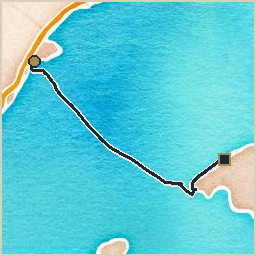
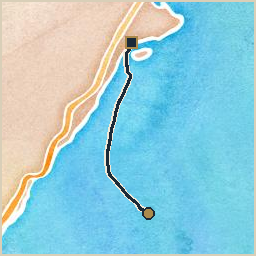
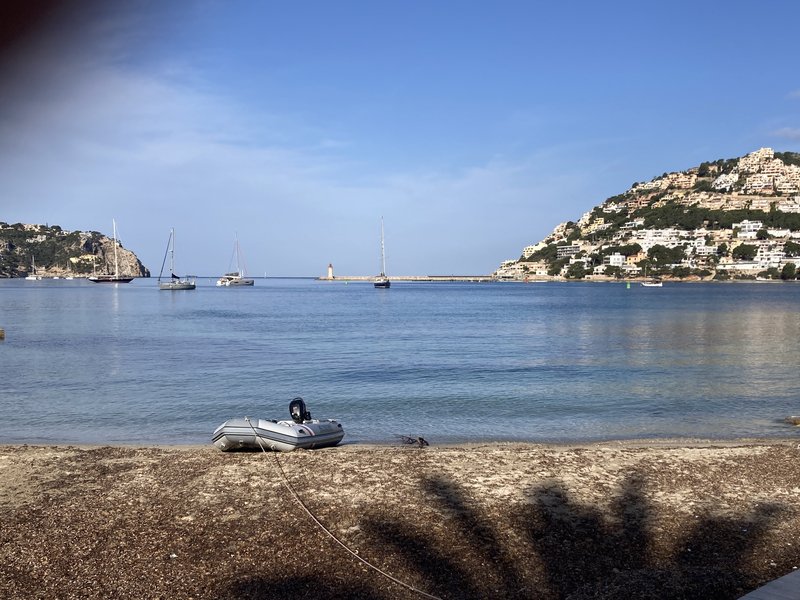
The new season opened with its toughest test immediately. Departing Sant Carles Marina nonstop for Andratx (at 120 nautical miles and just under forty hours, the longest single leg of the whole trip), the forecast had promised 10 knots of wind, gusting to 15, with waves to a meter. What actually arrived was 20 knots gusting to 25, waves to two meters, and, completely unforecast, a thunderstorm. From late afternoon on, St. Elmo’s fire built on the VHF antenna (a static buzz on the radio, and small discharges visible even off the unplugged antenna cable) before the storm itself came up on the port stern quarter four or five hours later, an alarming but genuinely rare thing to witness from a small boat at sea. Two of the three aboard got seasick for their trouble. Andratx, reached in the small hours of the morning, earned its rest day at anchor and its unusually large lunch.
Family life aboard, Mallorca and Menorca
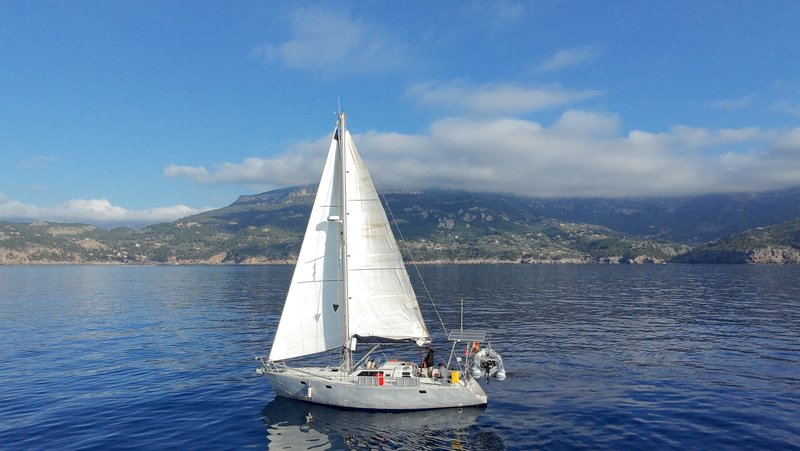
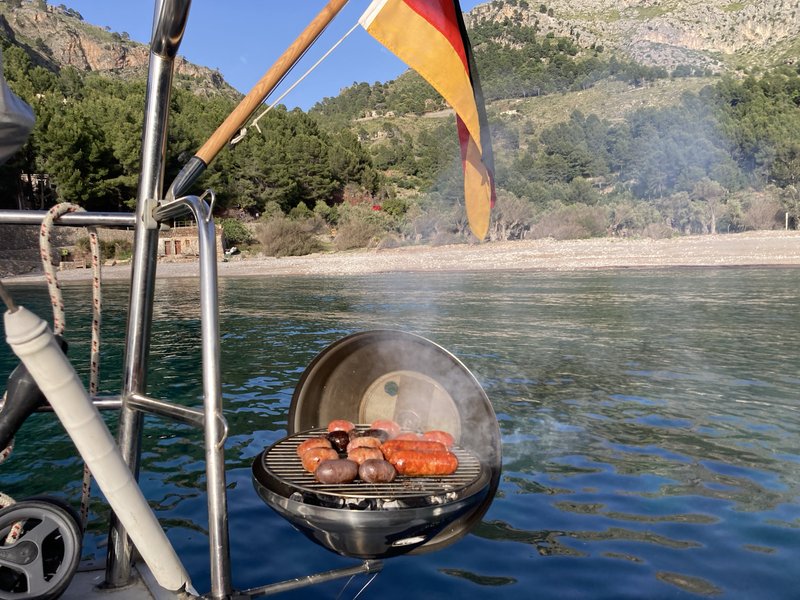
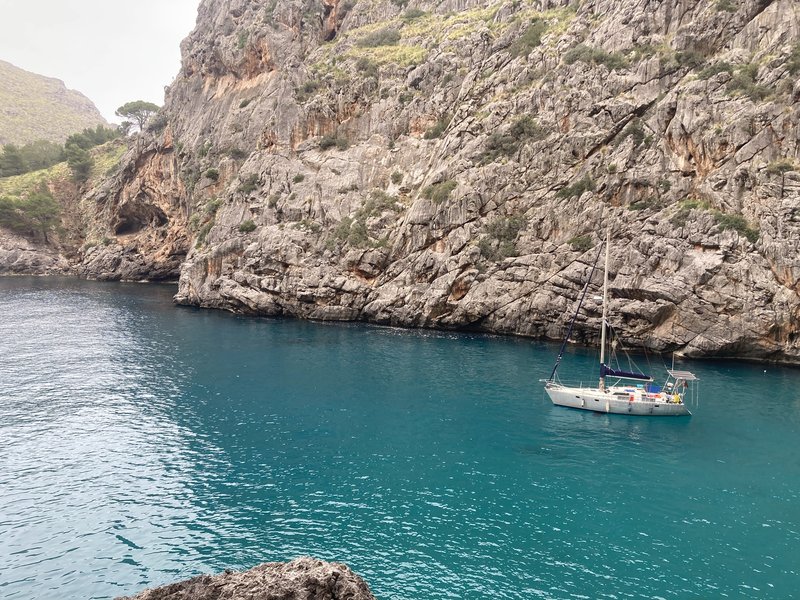
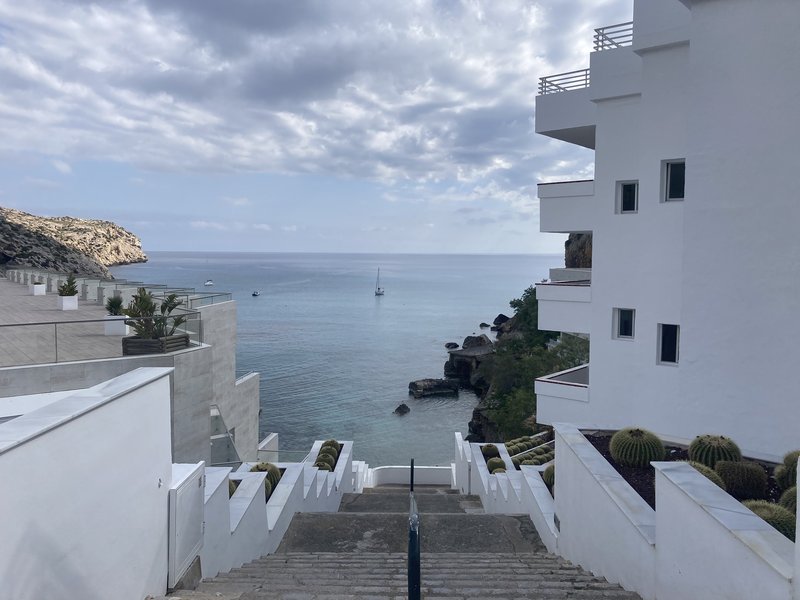
The weather calmed considerably after that, and the character of the season changed with it. Anna, Jo, and Eli came aboard in Port de Sóller, along with friend Jofijaan, and the boat settled into the kind of short, island-hopping rhythm that works for a crew with a three-year-old and a one-year-old: Cala Tuent’s pretty little bay, marred only by a day-tripper catamaran that ploughed up the seabed with an oversized anchor on every passenger change; Cala de Sa Calobra’s dramatic canyon walls and unsettling gravel holding ground, which cost the crew an anxious night wondering if the anchor would hold against gusts pouring down out of the gorge. Jofijaan left the boat again in Port de Sóller a week later, flying home after a short stint aboard.
Cap Formentor delivered the season’s signature piece of coastal seamanship, rounding the headland against wind and current that had clear opinions about the matter, on a day that also brought the first meeting with the crew of S/V Greta, a fellow Trans-Ocean e.V. boat out of Potsdam, and Melusina One, with Vicky and Laurent aboard, the only Luxembourg-flagged yacht we’ve ever encountered.
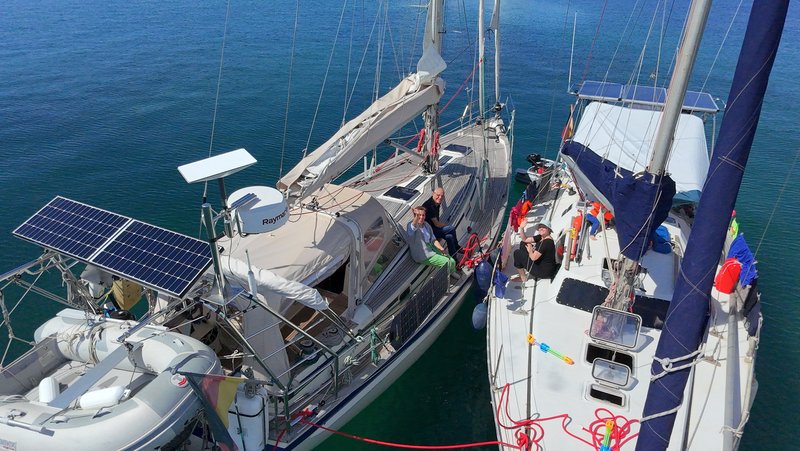
Björn, a friend of Anna’s from university, joined the boat in Cala Ratjada, rounding the crew out to five for the crossing to Menorca.
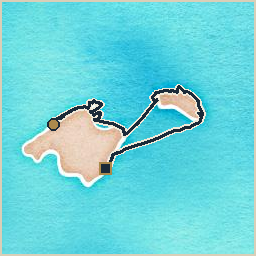
Menorca followed the same pattern of short hops and long anchorages: Cala Pregonda, an anchorage good enough to earn the season’s highest praise: turquoise water, dream-postcard beaches, a scatter of small offshore islets with genuinely strange, almost lunar geology and natural salt pans.
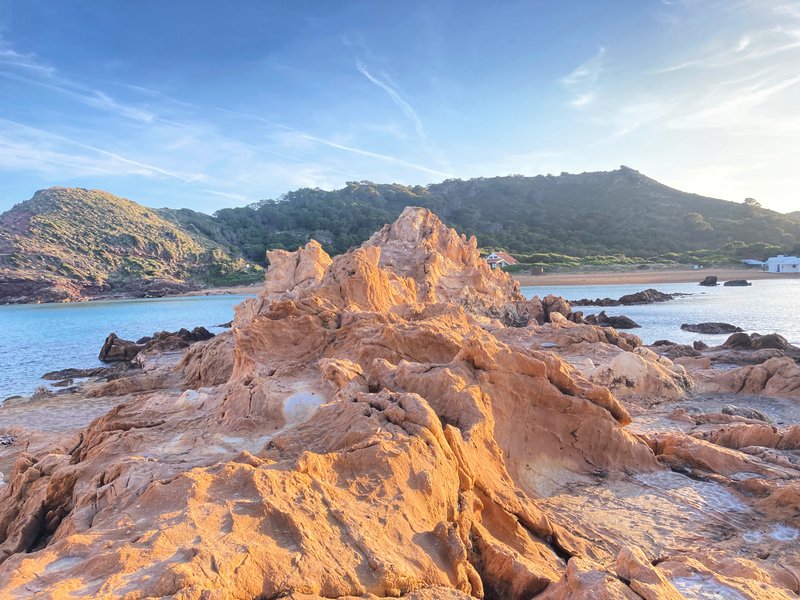
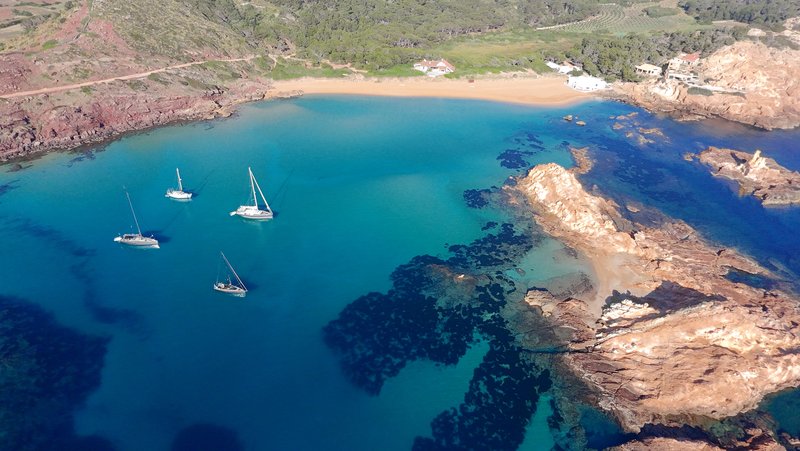
Port de Fornells offered a tidy communal harbor, though the town itself felt built purely for tourists, a quick stop rather than a highlight. Mahón’s natural harbor was the real draw: a first night at anchor in Cala Teulera, the only genuinely free spot in a harbor otherwise packed with boats, followed by a move into the port itself for a guest berth at the Club Marítimo de Mahón.
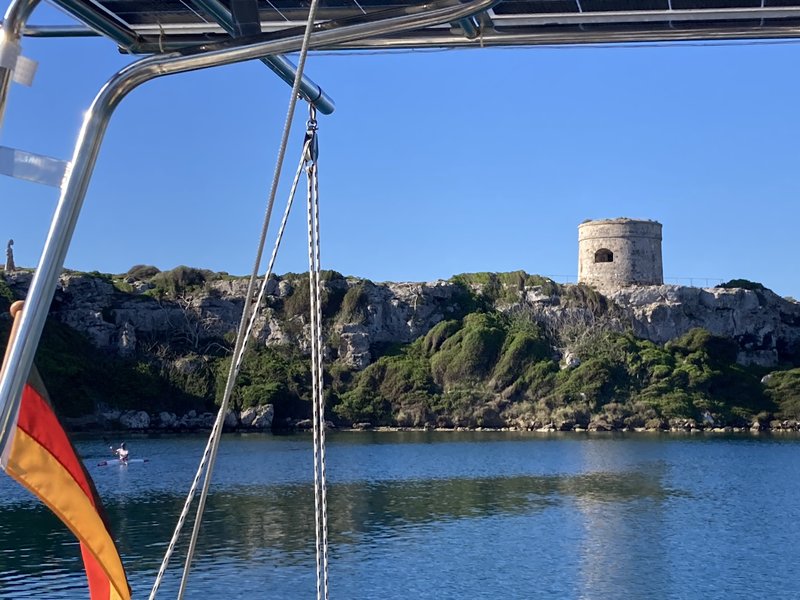
A crossing back toward Mallorca deliberately skipped a planned stop at Cala Ratjada: the forecast, checked carefully in advance, showed barely any wind for most of the route, so rather than break the passage up the crew ran it straight through to Porto Cristo in one long, slow day.
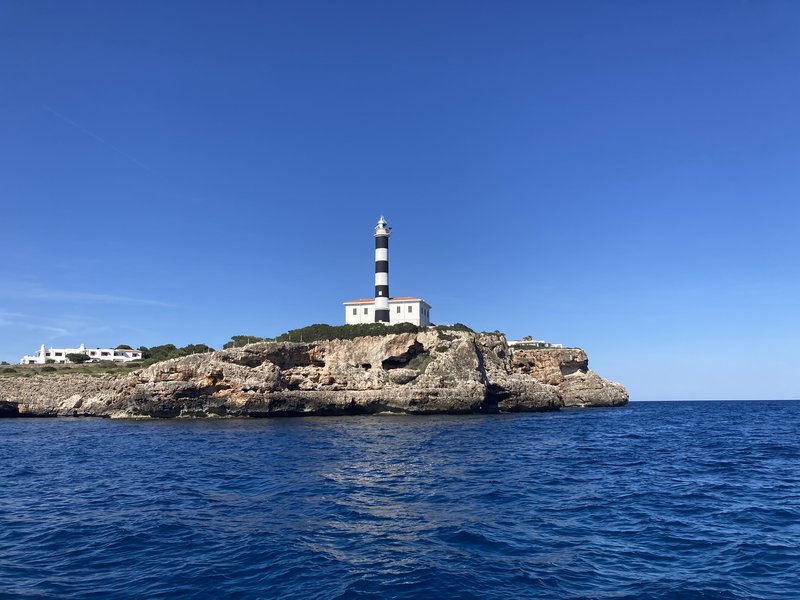
Portocolom marked the end of the family leg of the season: Anna, Jo, Eli, and Björn, aboard since Cala Ratjada, all left the boat, and Tobi continued alone, sailing single-handed for the first time all year.
Solo, then back to two, and the run for home
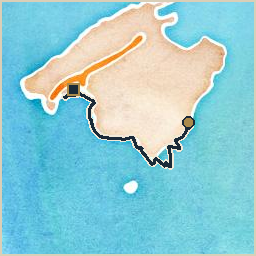
The solo stretch down through Cala Mondragó, Platja des Carbó, and around toward Palma stuck to short daylight hops by design, no night watches required. A stopover at the breakwater of Sa Ràpita brought an unexpected reunion with Anja and Denny, first met back in the “other” La Ràpita on the mainland, before the stretch closed with the perennially exciting business of threading into Palma’s enormous harbor and a warm welcome at the Real Club Náutico de Palma, where Anatol came aboard as reinforcement for the run back to the mainland.
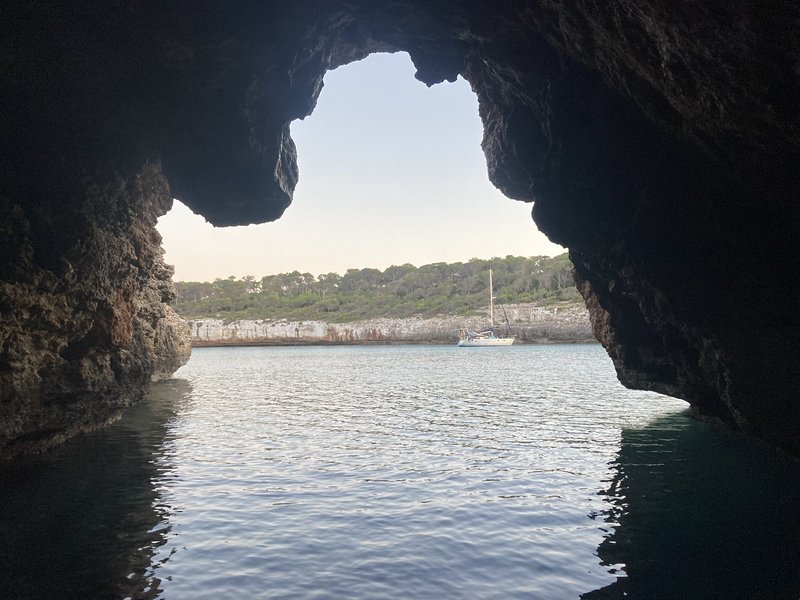
The last stretch turned into the most demanding sailing of the return leg. Bad weather forecast for the jump to Ibiza pushed the crew to wait it out at anchor in a forked, cave-pocked bay near Portals Vells, and when the window opened it opened into a long night crossing toward Cala Portinatx, during which a weakening wind briefly had the crew seriously discussing turning back for Port d’Andratx to wait for better conditions, before deciding to press on for Ibiza after all. The arrival, in the dark, meant picking a careful path through a field of unlit mooring buoys.
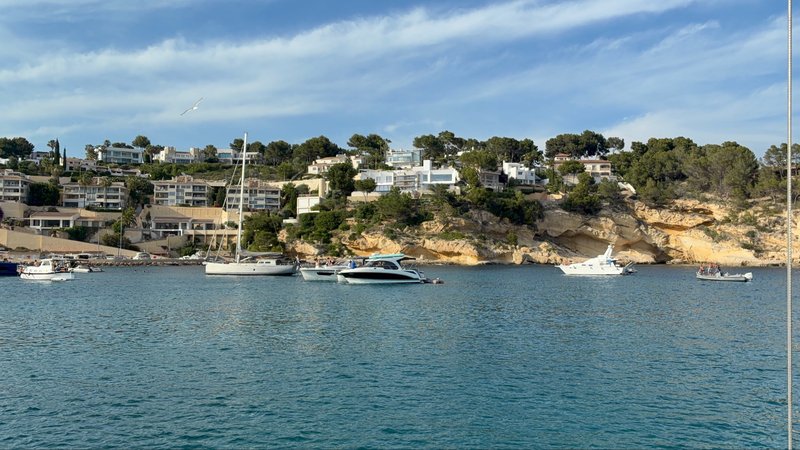
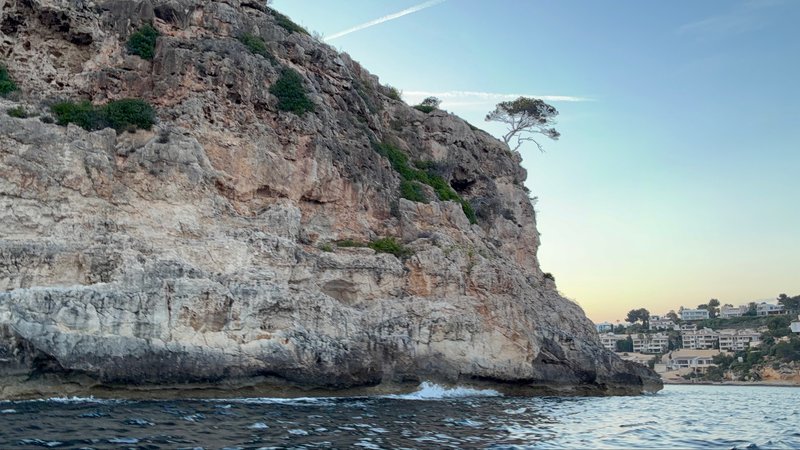
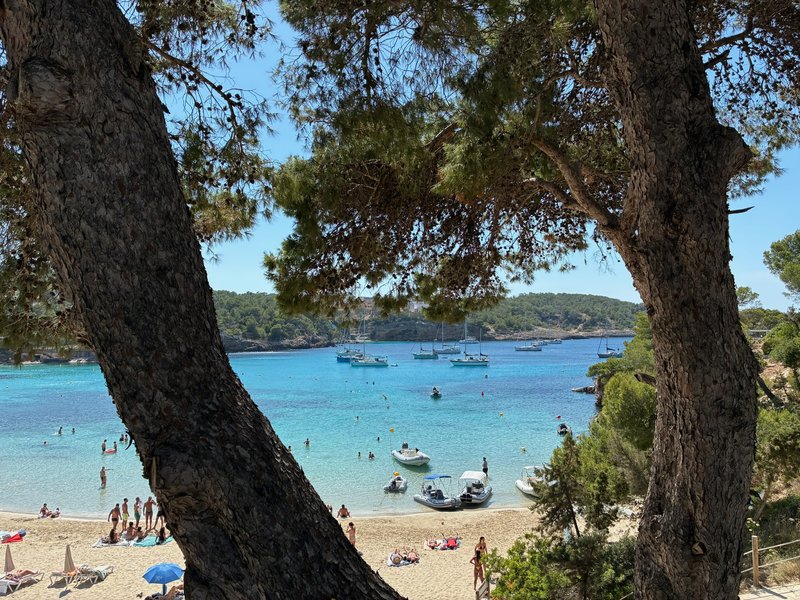
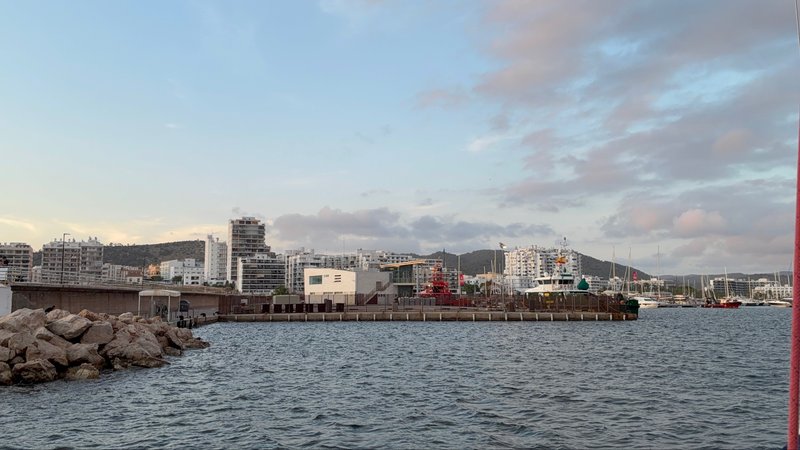
A calmer daytime hop the next day covered the short remaining distance to Sant Antoni de Portmany, where the crew found an excellent welcome at Marina Es Nàutic, courtesy of a marinero named Leo. Melusina One turned up again shortly after, pulling into a berth on the very same pontoon.
The Columbretes
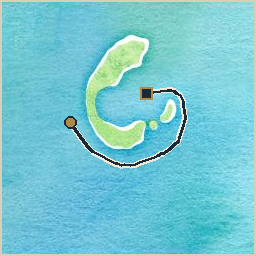
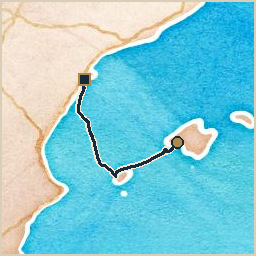
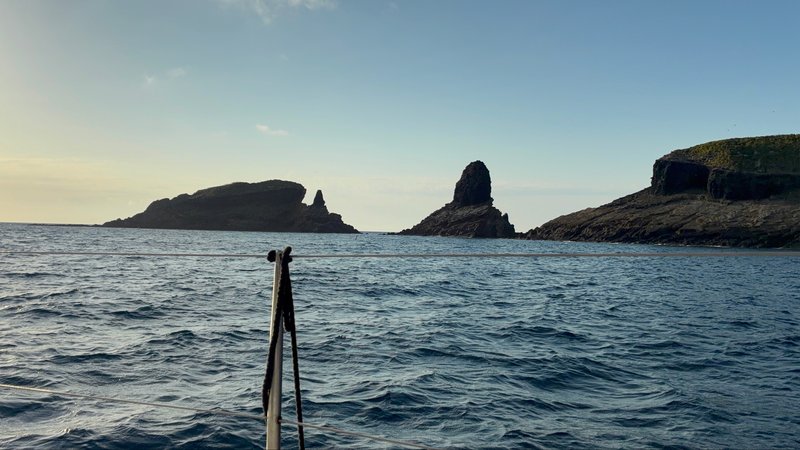
The Columbretes were the season’s most unusual destination by a wide margin: a genuinely remote volcanic archipelago, an overnight passage of roughly seventy nautical miles from Ibiza with freshening wind, noticeable current, and, in the pre-dawn hours, a pod of around twenty dolphins that stayed with the boat for a full twenty minutes, the kind of encounter that makes an otherwise routine overnight watch worth losing sleep over.
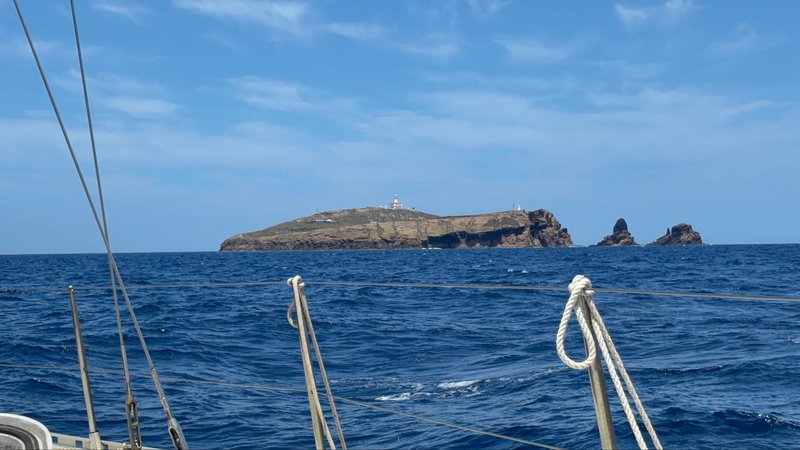
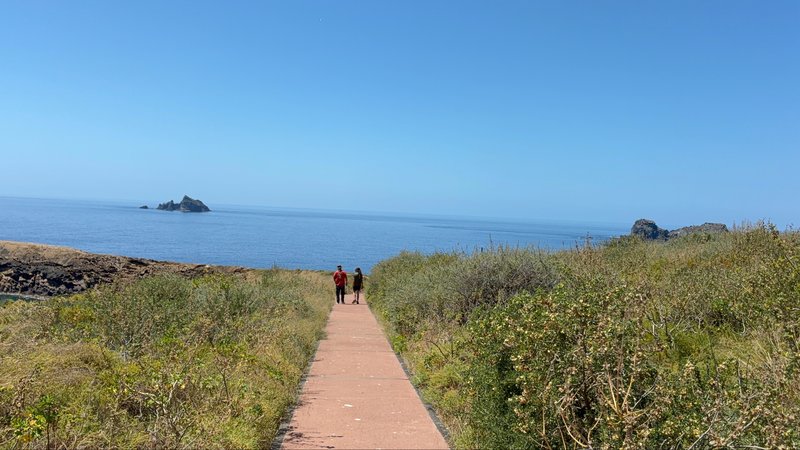
The arrival at the islands themselves was briefly unnerving: the crater bay felt like a witches’ cauldron, gusty wind blowing straight in with no safe way to enter, so the crew opted for a mooring outside the rim rather than risk the anchorage that first night. The following day, with conditions settled, they moved into the crater bay proper and called the resident park rangers on VHF, because the volcanic crater turns out to be genuinely inhabited, home to two or three rangers and biologists who double as the islands’ only tour guides, and who had a lot to say about the geology, history, and biology of the place.
Home again
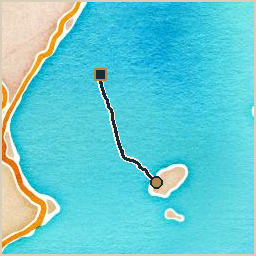
The final passage retraced, almost exactly, last year’s own crossing from the same waters: fifty nautical miles of open water back to the Spanish mainland, ending at Sant Carles de la Ràpita, less than a mile from the marina where the boat spent the winter. The conditions obliged with one last mixed bag: long and short wave trains, wind that swung between plenty and almost none, and several hours motoring near the end to close the gap.
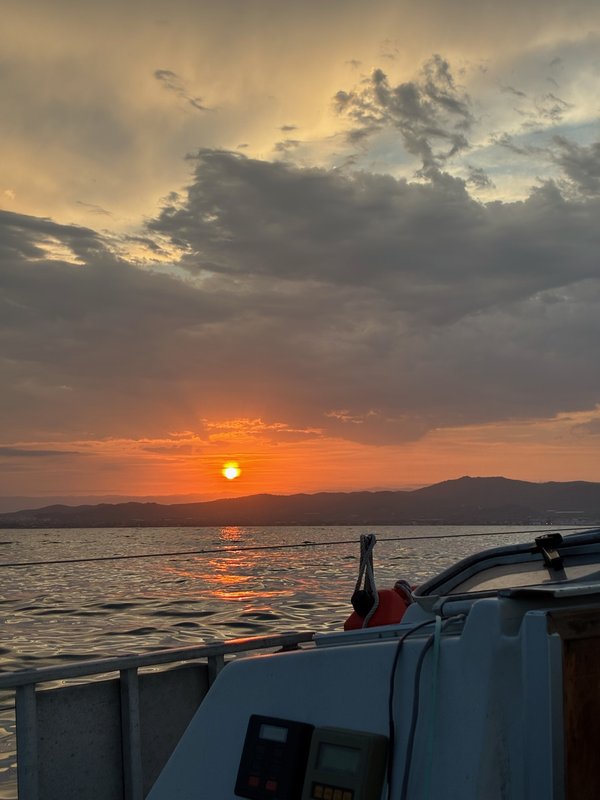
Tinarasia’s berth for the foreseeable future is at the Club Nàutic de la Ràpita, waiting on the next round of refit work before whatever comes next.
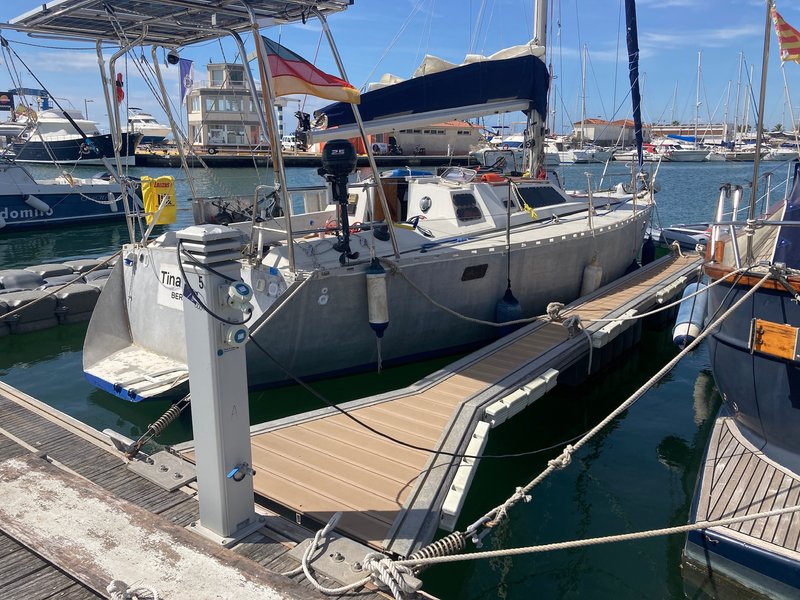
Across the season, 655.6 nautical miles logged, 529.0 of them under sail, and not a liter of diesel burned anywhere along the way. What stays with the crew, though, isn’t really the mileage: it’s the recurring cast of fellow sailors met once at a dock and then again three weeks and two hundred miles later, the specific logistics of keeping two small children fed, rested, and entertained on a 36-foot boat for weeks at a stretch, and the specific joy of watching a three-year-old learn to spot dolphins before she can properly explain what a dolphin is.